Lipo as Weight Loss?
June 14th, 2010
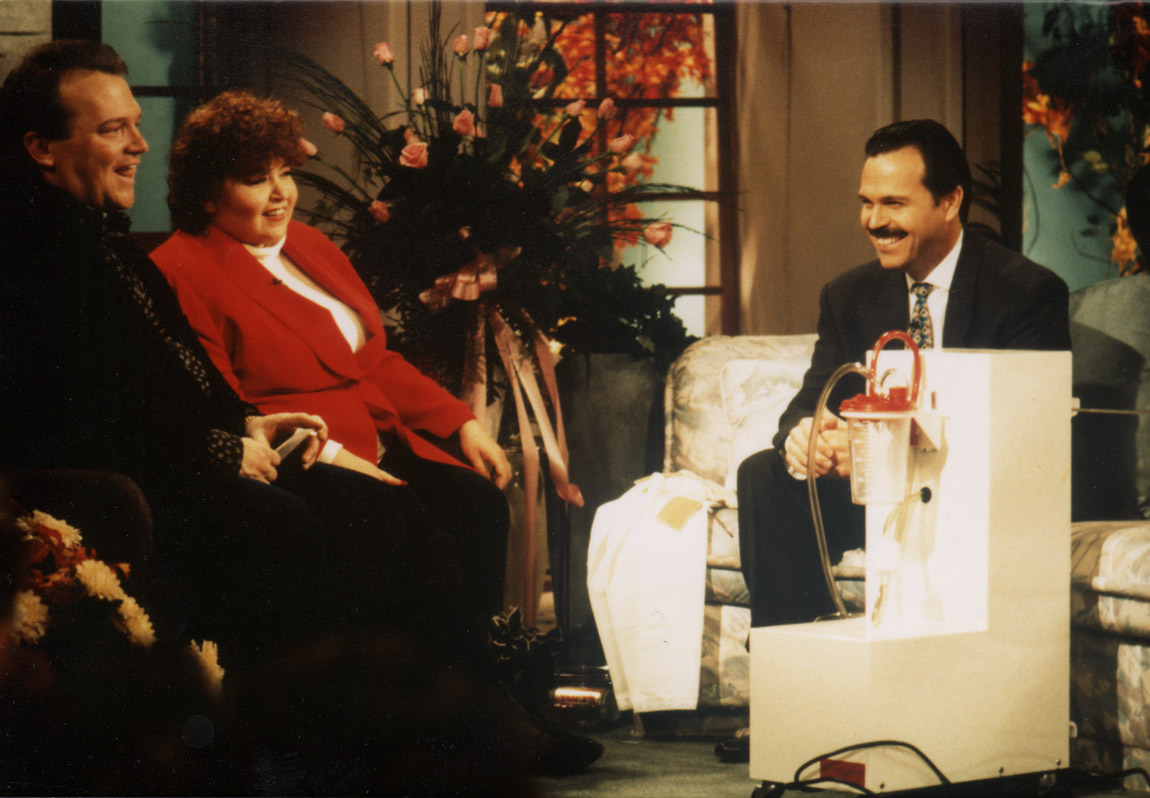
Earlier in my career, I had the unique opportunity to be interviewed on television by Roseanne Barr and Tom Arnold about liposuction. Although the segment was meant to be light-hearted, I was able to convey my thoughts about why liposuction is not safe for patients that are not close to their ideal weight. Unfortunately, lipo is not a quick fix for having too many unwanted pounds. It is an effective procedure to remove localized areas of fat and is frequently used as an important tool in body sculpture.
Recently, I consulted with a patient who had lost 80 pounds following bariatric surgery. It was her intention to loose some more weight. During our visit, she asked the question I hear so often regarding weight loss, “Should I loose the rest of the weight before having cosmetic surgery?” My answer is most always the same. “Yes.” Multiple reasons lead me to this answer. Some factors are related to the general health risks of even mild obesity, while others are related to safety of anesthesia and surgery itself.
Check back tomorrow for Lipo as weight loss? Part 2
Swelling: How much is normal?
June 10th, 2010
Swelling is normal part of surgery. In fact, it is a normal part of most situations where the body is injured, whether it is trauma from a fall or a medical disease like pneumonia.
The process of tissue swelling begins to occur immediately when surgery is started. It can initially be seen next to the edge of the incised skin. The tissues adjacent to the incision also begin to swell. These are the first steps in the stages of normal healing. Swelling continues as tissues are dissected to allow implant placement (breast enlargement), to allow fat removal (liposuction), or to allow skin and muscle tightening (facelift). As I complete surgery, allowances must be made for swelling as the final sculpting is completed.
The process of swelling continues as patients recover. Maximum swelling is usually between 48 and 72 hours after surgery. This swelling will extend beyond the surgery site to involve adjacent areas. In the case of breast enlargement, swelling will extend onto the chest, back and abdomen. Patients may also notice swelling in distant areas, such as hands and feet, areas well removed from the surgical site. The most distressing to some patients, is the aspect of temporary weight gain due to the extra fluid. This temporary fluid is normal and passes with time.
The question I am often asked, “When will this go away?” Swelling will begin to pass out of your body following 2 to 3 days after surgery. It is naturally excreted in your urine. Initial resolution is rapid, with the vast majority of swelling gone in four to six weeks. Complete resolution of any remaining swelling may take as long as six to twelve months. Although waiting this long to see a final result is frustrating to many patients, this is simply part of scar maturation and the physiology of internal healing. So once again, patience is a virtue!
Follow Us!