Lipo Fat Transfer: New Advances in Anti-aging
December 13th, 2012
 Body-sculpting or contouring is an effective technique that often eliminates the need for more substantial anti-aging facial surgery. These new advances in anti-aging have marked a steady rise in the popularity of fat grafting in my practice, or sometimes referred to as lipo-grafting in the media. More of my patients chose contouring, following their consultations to evaluate facial rejuvenation options in our Contouring Clinics. Quick recuperation, along with an added benefit of minor liposuction to harvest fat cells is quite appealing to patients. The non-surgical facelift creates new options.
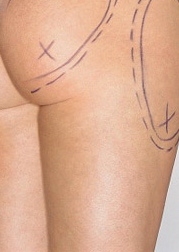
Nipntuck Naturalâ„¢ is my specialized fat grafting procedure in which aspirated (liposuction) fat tissue is first taken from a donor site, then carefully injected someplace else. Typical donor sites for women include areas of the abdomen, buttocks or flanks. Fat grafts naturally contain a lot of adipose cells. The regenerative cells are particularly effective for this procedure, because they have the natural ability to become a living part of the adjacent tissue. Significant anti-aging benefits for the face are now possible, omitting the need for any facial incisions. Fat grafting is or sometimes called fat transfer, but is essentially the same technique used in regenerative medicine today.
Cosmetic Surgery Too Much of a Good Thing?
November 26th, 2012
When is cosmetic surgery too much of a good thing? I filmed a segment for the local Fox News Affiliate here in Minneapolis, hosted by Medical Correspondent, Dr. Archelle Georgiou. They filmed part of the segment while I was performing a lower blephaorplasty or lower eyelid surgery. My patient did have some other plastic surgery in the past and while gathering routine background information, Dr. Georgiou inquired whether I felt that the patient was perhaps choosing cosmetic surgery too often. In other words, did I think the patient suffered from a possible cosmetic surgery addiction? As with all my patients, I am careful to evaluate a patient’s motivations for surgery and attempt to uncover any unhealthy desires for seeking cosmetic surgery. In this case, I feel confident that my patient had legitimate concerns regarding the unsightly bags under her eyes and that she was an excellent candidate for eyelid surgery. She expressed realistic expectations from the surgery and in my opinion; she is certainly not a cosmetic surgery addict.
However, while we are on the topic, let me elaborate. There are several characteristics that are common among cosmetic surgery addicts and for the most part, they are not dissimilar to other addictions. Patients that have Body Dysmorphic Disorder are likely to seek cosmetic surgery to correct “perceived†physical flaws. This disorder has significant psychological components and it is unlikely that any amount of cosmetic surgery will correct feelings of having physical deformity that may not exist. This disorder leads some patients to have excessive cosmetic surgery. As a physician, I feel a professional and moral obligation to refer patients that exhibit these difficulties to the proper psychological care when it is appropriate.
Without a doubt there are patients who do suffer from this problem. The pop culture media machine is quick to point out the cosmetic surgery obsessions of Michael Jackson, New York’s “Cat Woman†and Joan Rivers, to name just a few.
Follow Us!