Class of 2016: the New Normal
September 5th, 2012
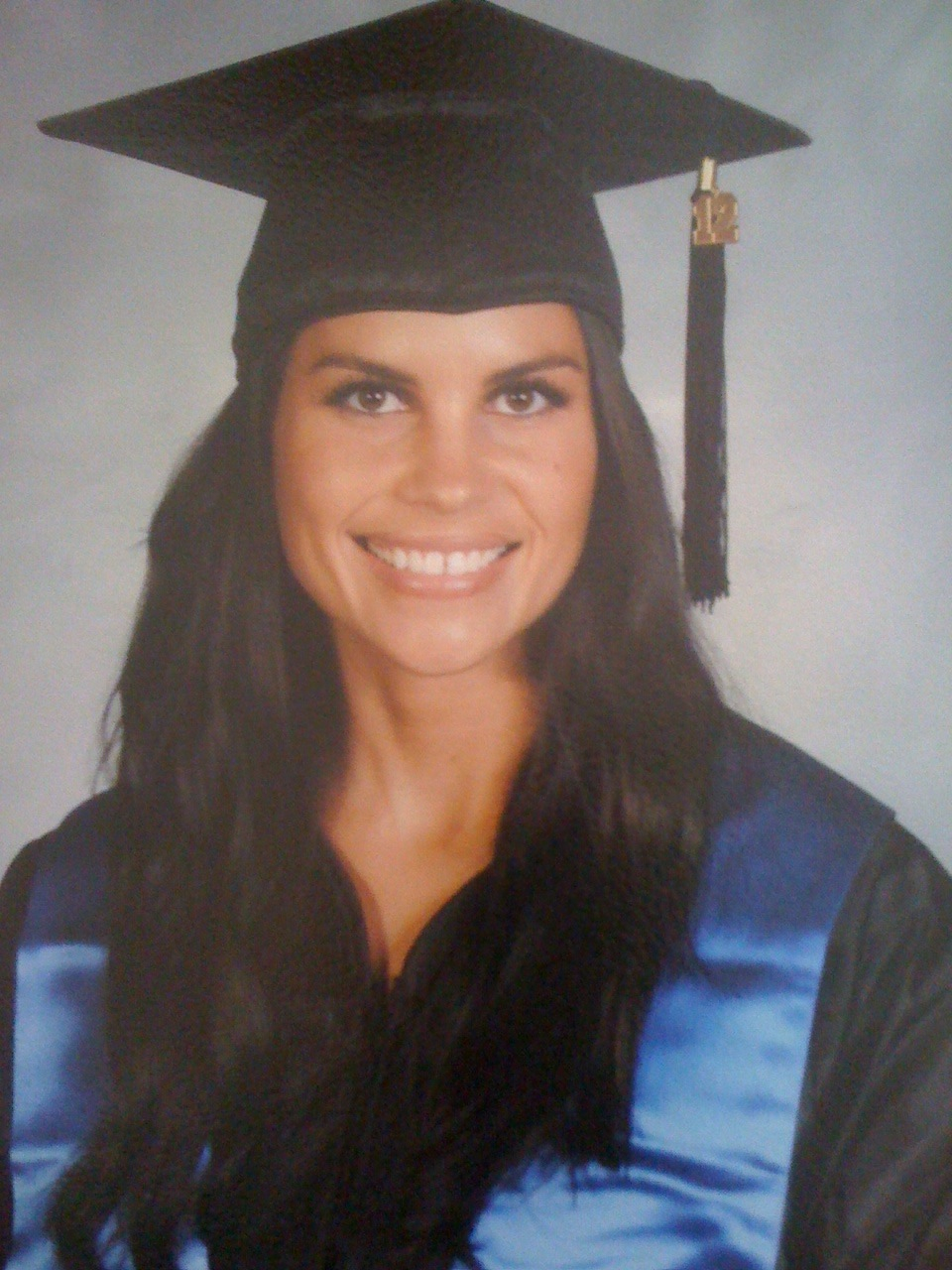
Our daughter Ashley graduated from college this year, so this news item naturally caught my eye. The Mindset List was created at Beloit College to highlight the contemporary worldview of entering first year students. The list started with the members of the class of 2002, born in 1980. For the class of 2016 there is a new normal. Does it seem like the world is changing faster now?
Here are some of the interesting changes. They have spent much of their lives helping their parents upgrade to the digital age, although I like to think of myself as tech savvy. The class of 2016 grew up with MP3 players and iPods, they seldom listen to the car radio or watch network TV. Texting is the preferred way of communication and any social plans are usually kept quite fluid. Ok, I added the last one! Read the rest of this entry »
4 Steps for Cosmetic Surgery: Let’s Begin
August 23rd, 2012
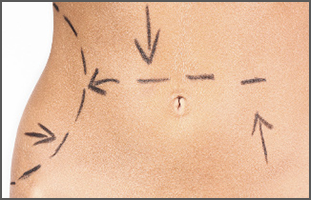
13.8 million people had surgery cosmetic plastic surgery procedures in the United States in 2011, according to he American Society of Plastic Surgeons (ASPS). For all of the procedures involving actual surgery, these four universal steps are followed. In this series, I will describe each of the steps in doing cosmetic surgery. Let’s start at the beginning.
Step 1: Skin Incision.
The first step in all cosmetic surgery is to cut the skin. Whenever the skin is incised through its full thickness, a permanent scar is left. By permanent, I mean the scar will never completely go away, but as cosmetic surgeons, we are trained in ways to minimize the appearance of scars. So, before the surgery starts, a surgical plan is designed and typically drawn on the skin, similar to the diagram of a football play you might have seen on TV. Careful placement and design of the incision are crucial steps to minimize leaving a visible scar, which will continue to fade substantially with time.
This initial surgical plan represents the aesthetic design aspect that is the cornerstone of all cosmetic plastic surgery. Of course, with purely elective cosmetic surgery, I have the luxury of time to plan and execute an aesthetic design. This is not always the case in a hospital setting when critical surgery is necessary.
Please check back next time for Part 2 of this series.
Follow Us!