Breast Asymmetry: What to do about it?
January 13th, 2015
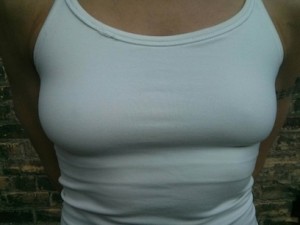
Breast asymmetry is a very common concern among women, adolescents and adults alike. No one is born with perfectly symmetric breasts and mild to moderate differences in breast shape, or a 1-2 cup size difference, or position in the developing adolescent are to be expected. Moreover, breast asymmetries that persist beyond puberty affect more than half of all women! In fact, one study in the Plastic and Reconstructive Surgery Journal, out of 100 women who wanted breast augmentation with implants, 88 percent had natural asymmetries. At a time when our body and mind are changing rapidly, when is breast asymmetry a cause for concern? Having uneven breasts may impact a young woman’s body image. Let’s review the pros and cons of surgical intervention with an emphasis on newer techniques such as using lipo-suctioned fat to correct asymmetry, called fat transfer.
A recent study published in the December issue of the Plastic and Reconstructive Surgery Journal highlights the psychological impact of breast asymmetry on adolescents. The study suggests that patients with breast asymmetry have poorer emotional well-being and lower self-esteem than their female peers. This is not a surprising revelation given that high rates of breast dissatisfaction have been reported within the adolescent female population, especially during early adolescence when there is greater variance among peers. Psychological issues are important in this group of young women, and these issues include social embarrassment, low self-esteem, depression and isolation from classmates. Problems that occur relate to sexual relationships and cultural beliefs. The majority of these patients are young, healthy individuals, and the psychological and social impact of these conditions is significant. Physicians and parents should be aware that seemingly small differences to an examiner’s eye might have a considerable impact on the sometimes fragile psyche of an adolescent.
Surgical options for correction exist. These include improving breast symmetry by combining different techniques using implants, autologous or your own fat transfer, liposuction, breast reduction and/or myocutaneous flaps. Correction of breast asymmetry often involves multiple surgical procedures. The best policy is early intervention with education, support and counseling. The key steps in successful management are diagnosis, appropriate referral, counseling, optimal timing of surgery and avoiding unnecessary surgery in a developing young adult. In the rare instance that the asymmetry causes such distress that your doctor recommends surgery, please consult with an experienced plastic surgeon about your options for surgery.
Newer techniques such as autologous fat transfer, offer a less invasive way to correct breast asymmetry with more natural appearing results. Fat grafting is natural, flexible and versatile. It allows the plastic surgeon to gradually sculpt and reconstruct the breast to a natural looking shape and feel. Like other reconstructive techniques, fat grafting is a staged procedure with results achieved over time. Fat is harvested from the abdomen, flanks and thighs and then is injected into the breasts through small incisions. This is an outpatient procedure, with each stage carried out every 3 to 6 months. The number of stages required for completion varies on an individual basis. The results are long-lasting and the patient also receives the added benefit of liposuction at the donor sites.
What is Pencil Test for Sagging Breasts?
December 23rd, 2014

What is the pencil test? Plastic surgeons use this test to measure the extent of ptosis of the breast, a medical term to describe droopy or sagging of the breasts. According to The American Society for Aesthetic Plastic Surgery, more than 127,000 had breast lift surgery last year and it ranks in the top 5 of requested cosmetic surgery procedures. When a woman is considering having surgery to correct sagging, several factors are taken into consideration. Sagging of a woman’s breasts can occur due to any significant weight change, such as after a pregnancy. True ptosis or sagging refers to nipple position falling below the crease beneath your breast. The “pencil test” is the way to find out if surgery might be indicated. By placing a pencil beneath your breast and if your nipple hangs below the pencil when you sit or stand, then you may need a breast lift. If the nipple is above, increasing the fullness may correct this. For more information, see Breast Augmentation and Lipo Fat Grafting for Natural Breast Enlargement.
Breast lift surgery repositions the nipple and areola (pigmented skin around the nipple) upwards to a more natural position. This natural position is about ½-3/4 of an inch above the crease under the breast. Careful positioning is important. Positioning them higher than this may result in an odd breast appearance. The size of the areola can also be reduced during surgery at the same time, if the patient desires. Breast list surgery is an effective remedy for droopy or sagging breasts and restores a more natural appearance to the breasts.
Scars from a breast lift are the similar to breast reduction surgery and are positioned around the nipple and beneath the breast as well. They are usually covered by most swimming suits. Many women can still breastfeed following breast lift surgery, if they choose to do so. However, it is not uncommon for women to choose to have completed having children before scheduling a breast lift or reduction surgery.
Most of my patients return to work 2 days following surgery with some activity restrictions. Both breast reduction and lift patients report being pleased with the change in their figure after the procedure and are happy with their decision to have surgery.
Follow Us!